The Well-Tempered Ear
Meet and hear piano phenom Yunchan Lim
Leave a Comment
PLEASE HELP THE EAR. IF YOU LIKE A CERTAIN BLOG POST, SPREAD THE WORD. FORWARD A LINK TO IT OR, SHARE IT or TAG IT (not just “Like” it) ON FACEBOOK. Performers can use the extra exposure to draw potential audience members to an event. And you might even attract new readers and subscribers to the blog.
By Jacob Stockinger
He is looks like a young, mop-topped Beatle, but he plays the piano with the lyricism of Arthur Rubinstein and the technical virtuosity of Vladimir Horowitz or Maurizio Pollini.
He is the South Korean pianist Yunchan Lim (seen below, during his winning performances at the last Van Cliburn Competition two years ago). If you haven’t yet heard of him or listened to him, you really should. Otherwise you are missing out of a phenomenal talent who is just 20 years old and offer sublimely beautiful interpretations.
Just listen to his superb and subtle performance of the “Aeolian Harp” etude, Op. 25, No. 1, by Chopin in the YouTube video at the bottom.

Recently, the British radio classical music radio station Classic FM offered a complete primer on Lim. It includes his personal and professional background and history as well as links to many of his special performances that have been acclaimed by his fellow musicians, the critics and the public.
Here is a link:
Do you know about Yunchan Lim?
Have you heard his playing?
What do you think of him?
The Ear wants to hear.
Tags: #BlogPost, #BlogPosting, #ClassicFM, #FacebookPost, #FacebookPosting, #YouTubevideo, Aeolian Harp, ago, Akerican, alert, American, Android, Apple, Apple Music, Arthur Rubinstein, Arts, Artur Rubinstein, Asia, asian, audience, Autumn, Études, Bach, Baroque, beautiful, Beethoven, Bing, blog, Boston, British, Chamber music, Chopin, Classic FM, Classical music, composer, Concert, concerto, critics, Decca Records, duckduckgo, Early music, Europe, European, Facebook, fall, fame, famous, Google, Google Alert, Google Alerts, Google Search, harp, harp etude, hear, Horowitz, interpretations, Jacob Stockinger, Johann Sebastian Bach, John Dowland, K pop, Korea, Korean, Lim, link, listen, Liszt, London, Ludwig van Beethoven, lyrical, lyricism, Madison, Marin Alsop, Maurizio Pollini, Microsoft, Microsoft Bing, Minsoo Sohn, Mozart, Music, New England Conservatory, Orchestra, OS, performances, performer, personal, phenom, phenomenon, Pianist, Piano, Pollini, popular, primer, professional, public, Rachmaninoff, Radio, recital, Rubinstein, Safari, share, solo, Sonata, South Korea, South Korean, star, study, sublime, superb, symphony, tag, talent, techical, The Beatles, The Ear, The Well-Tempered Ear, Transcendental Etudes, Twitter, UK, United States, Universal Music Group, Universal Records, Van Cliburn, Van Cliburn competition, virtuosity, virtuoso, Vladimir Horowitz, Well-Tempered, Wigmore Hall, Wolfgang Amadeus Mozart, WordPress, Wordpress.com, X, year, you, young, youthful, YouTube, Yunchan Lim
How did pianist Yuja Wang’s heart respond to playing Rachmaninoff?
1 Comment
PLEASE HELP THE EAR. IF YOU LIKE A CERTAIN BLOG POST, SPREAD THE WORD. FORWARD A LINK TO IT OR, SHARE IT or TAG IT (not just “Like” it) ON FACEBOOK. Performers can use the extra exposure to draw potential audience members to an event. And you might even attract new readers and subscribers to the blog.
By Jacob Stockinger
You might recall that in January of 2023, superstar Chinese pianist Yuja Wang (below) played a marathon Rachmaninoff concert in New York City’s Carnegie Hall.

It lasted 2½ hours and featured all four Rachmaninoff piano concertos plus his Rhapsody in a Theme of Paganini. It received rave reviews as well as standing ovations and sold-out houses.
Wang — famous for her ease and assurance in playing technically challenging compositions — performed with the Philadelphia Orchestra under conductor Yannick Nézet-Séguin.
Deutsche Grammophon recorded the same program Wang did in Los Angeles — but over two consecutive weekends rather than all at once — with the Los Angeles Philharmonic under Gustavo Dudamel.
In the YouTube video at the bottom you can hear the sublime slow movement from the Piano Concerto No. 2 from the series of LA performances. If The Ear is not mistaken, in closeups of her hands on the keyboard you can see what looks like a heart monitor on her wrist.
Time and length wasn’t the only remarkable thing about the concert.
Always a fashion plate, Wang wore a different stand-out dress for each piece, as you can see from the photo below:

In addition, she wore a heart monitor — as did the conductor, several players and members of the audience — to track her heart rate while she was playing.

Which concerto do you think proved the most challenging — at least to her heart?
Perhaps the Rach 3, which has been called the “Mt. Everest of piano concertos” and was even made into the 1996 movie “Shine” with its super-virtuosic difficulties at the heart of the story about mental health.
The results are in a story from Classic FM radio station in the UK. Here is a link:
https://www.classicfm.com/artists/yuja-wang/heart-rate-rachmaninov-marathon
The heart rate is an interesting angle at a time when so many people — both audiences and performers — wear wellness monitors and keep track of their own heart rates.
The administrators and performers probably thought showing the heart rate in real time on a jumbo screen during the performance would be too distracting.
But The Ear recalls seeing a live performance years ago by Mikhail Baryshnikov, who wore a heart monitor during one of his dances done to a solo cello suite by Bach.
It proved irresistible as a new hi tech take on classical music.
Tags: #BlogPost, #BlogPosting, #FacebookPost, #FacebookPosting, 1196, 2023, administrator, Android, angle, anxiety, Apple, Asia, asian, audience, Bach, Baroque, blog, blood pressure, Carnegie Hall, Cello, Cello Suite, Cello Suites (Bach), challenge, challenging, China, Chinese, Classic FM, Classical music, closeup, composer, computer, computer software, Concert, concerto, critics, dance, dancer, Deutsche Grammophon, DG, different, difficulty, distracting, distraction, dress, Dudamel, East Coast, England, Facebook, fashion, filom, Fitbit, Google Alert, Google Alerts, Google Search, Great Britain, Gustavo Dudamel, hands, Health, heart health, heart rate, hi tech, House, interesting, irresistible, Jacob Stockinger, January, Johann Sebastian Bach, jumbo, jumbo screen, keep, Keyboard, LA, length, link, live performance, Live Recording, Los Angeles, Los Angeles Philharmonic, mammoth, marathon, member, mental heath, Mikhail Baryshnikov, monitor, movie, Mt. Everest, Music, Nézet-Séguin, nerves, nervous, New York City, Orchestra, Overture Center, painist, People, performances, performers, Philadelphia, Philadelphia Orchestra, Piano, piece, Pulse, Rachmaninoff, Rachmaninov, Radio, rave reviews, real time, results, review, rhapsody, Rhapsody on a Theme of Paganini, screen, Sergei Rachmaninoff, Sergei Rachmaninov, series, share, Shine, show, Slow movement, smart phone, software, sold-out, solo, Sonata, stand-out, sublime, superstar, symphony, tag, techical, The Ear, The Well-Tempered Ear, theme, theme and variations, time, track, Twitter, UK, United States, Violin, virtuoso, Wang, wear, weekend, Well-Tempered, wellness, west coast, Wisconsin, WordPress, Wordpresss.com, wrist, X, Yannick Nézet-Séguin, YouTube, Yuja Wang
A biopic about Vivaldi is in the works
Leave a Comment
PLEASE HELP THE EAR. IF YOU LIKE A CERTAIN BLOG POST, SPREAD THE WORD. FORWARD A LINK TO IT OR, SHARE IT or TAG IT (not just “Like” it) ON FACEBOOK. Performers can use the extra exposure to draw potential audience members to an event. And you might even attract new readers and subscribers to the blog.
By Jacob Stockinger
The baroque master and violin virtuoso Antonio Vivaldi (1678-1741, below) composed the most recorded piece of classical music of all time: “The Four Seasons.”

The work was composed around 1720 and published in 1723, but because Vivaldi died in poverty and his music fell into obscurity, it was not rediscovered and recorded until 1939. And scholars are still finding manuscripts and rediscovering works by the prolific composer who has some 500 concertos and 40 operas to his credit.
The Roman Catholic priest with flaming red hair who was admired by J.S. Bach and who taught at an orphanage for girls in Venice, Italy, has been the subject of numerous biographies, critical studies and even novels, including mystery novels.
But now — after a 20-year delay since the script was completed and submitted — Vivaldi is about to hit the Big Screen in a biopic.
Last year saw “Maestro” about Leonard Bernstein and his wife. And a movie about opera diva Maria Callas is in the works with Angelina Jolie in the title role.
It seems a trend that might perhaps help attendance as concert organizations still are struggling to recover from the Covid pandemic. One wonders if we will see more Vivaldi programmed in response to his increased visibility and publicity his music will get thanks to Hollywood.
For more background and details, here is a link to the story on Classic FM:
Which is your favorite of the four violin concertos that make up “The Four Seasons”?
And what about Vivaldi’s other pieces, including the glorious “Gloria”?
The Ear particularly likes Vivaldi’s concertos for two violins. It is in A minor, RV 523, and you can hear the first movement played by Simon Standage and Collegium 90 in the YouTube video at the bottom.
Do you recommend a particular work by Vivaldi?
What is your favorite piece — choral, operatic, instrumental — by The Red Priest?
The Ear wants to hear.
Tags: #BlogPost, #BlogPosting, #FacebookPost, #FacebookPosting, #YouTubevideo, academy, Android, Angelina Jolie, Antonio Vivaldi, Apple, Arts, attendance, audience, background, Baroque, biography, biopic, blog, British, Cello, Chamber music, Chandos, Chandos Records, choral music, Christianity, Classic FM, Classical music, Collegium 90, Collegium Musicum 90, composer, compsition, Concert, concerto, Concerto for Two Violins, covid, critical study, death, delay, details, die, director, double concerto, duckduckgo, Early music, Emmy, Emmy award, Facebook, fall, favorite, film, Four Seasons, girls, Gloria, glorious, Google, Google Alert, Google Alerts, Google Search, hear, Hollywood, instrumental, Italian, Italy, Jacob Stockinger, Johann Sebastian Bach, John Ottman, Leonard Bernstein, link, Madison, Maestro, manuscript, Maria Callas, Master, Microsoft, Microsoft Bing, movie, movie news, Music, music news, mystery, mystery novel, news, novel, obscurity, opera, operatic, Orchestra, orphanage, OS, Oscar, Overture Center, pandemic, particular, piece, popular, post, posting, poverty, priest, producer, program, prolific, publish, Radio, recommend, recorded music, recording, recover, red hair, Red Priest, rediscover, Religion, Roman Catholic, RV, Rwitter, scholars, screenplay, script, share, Simon Standage, Sonata, Spring, summer, symphony, tag, Teacher, The Ear, The Well-Tempered Ear, UK, United States, University of Wisconsin-Madison School of Music, University of Wisconsin–Madison, Venetian, Venuce, Viola, Violin, virtuoso, visibility, Vivaldi, vocal music, want, Well-Tempered, winter, Wisconsin, WordPress, Wordpress.com, work, works, X, YouTube
Pianist Lang Lang gets a Hollywood star
Leave a Comment
PLEASE HELP THE EAR. IF YOU LIKE A CERTAIN BLOG POST, SPREAD THE WORD. FORWARD A LINK TO IT OR, SHARE IT or TAG IT (not just “Like” it) ON FACEBOOK. Performers can use the extra exposure to draw potential audience members to an event. And you might even attract new readers and subscribers to the blog.
By Jacob Stockinger
He is not the first classical pianist to be honored with a star on the Hollywood Walk of Fame.
But the controversial Chinese superstar Lang Lang (below) — once referred to as Bang Bang and compared to Liberace for his flamboyance and showmanship — is certainly the most popular.
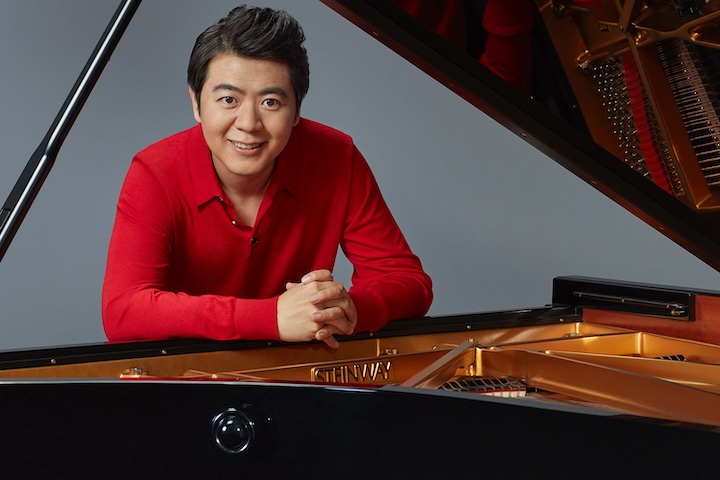
As a performer, educator and philanthropist, he is also the first Asian pianist to be so honored, although The Ear is betting that his fellow Chinese and highly respected pianist Yuja Wang is not far behind him.
Lang Lang received the 2,778th star (below, in a photo by Jesse Grant of Getty Images) from the Hollywood Chamber of Commerce. He received it last week, on April 10.

His alma mater — the Curtis Institute of Music in Philadelphia, where Lang Lang studied with Gary Graffman and graduated in 2002 — is deservedly proud of him, issuing the following press release with links:
And if you missed any or all of the 49 minutes-long fluffy ceremony, in the YouTube video at the bottom is a 5-minute clip of the event, during which Lang Lang played the piano on the street.
Do you have an opinion about Lang Lang?
What do you think is his best recording?
The Ear wants to hear.
Tags: #BlogPost, #BlogPosting, #FacebookPost, #FacebookPosting, #YouTubevideo, 2002, ABC-TV, Album, alumni, alumnus, Android, Apple, Apple OS, Arts, Asia, asian, audience, Bang Bang, Bing, blog, ceremony, Chamber of Commerce, child prodigy, China, Chinese, Classical music, Concert, concerto, controversial, Curtis Institute of Music, Disney, duckduckgo, educator, entertainer, Entertainment, event, Facebook, fame, flamboyance, flamboyant, fluffy, Gary Graffman, Getty Images, Google, Google Alert, Google Alerts, Google Search, graduate, hear, Hollywood, Hollywood Walk of Fame, honor, Jacob Stockinger, Johann Sebastian Bach, Lang Lang, Liberace, link, Ludwig van Beethoven, media, Microsoft Bing, Mozart, Music, NBC-TV, opinion, Orchestra, perform, performer, philanthropist, philanthropy, Pianist, Piano, play, popular, press release, prodigy, proud, recorded music, recording, respect, respected, share, show business, showmanship, showy, star, street, study, superstar, Television, The Ear, The Well-Tempered Ear, TV, Twitter, video, Well-Tempered, Wolfgang Amadeus Mozart, WordPress, Wordpress.com, X, you, YouTube, Yuja Wang
Muti to conduct an opera academy in China
Leave a Comment
PLEASE HELP THE EAR. IF YOU LIKE A CERTAIN BLOG POST, SPREAD THE WORD. FORWARD A LINK TO IT OR, SHARE IT or TAG IT (not just “Like” it) ON FACEBOOK. Performers can use the extra exposure to draw potential audience members to an event. And you might even attract new readers and subscribers to the blog.
By Jacob Stockinger
Italian maestro Riccardo Muti (below) — the 83-year-old retired music director of the Chicago Symphony Orchestra and longtime music director of the iconic La Scala Opera House in Milan— will take his workshops for young conductors and musicians to China for the first time this coming November and December.
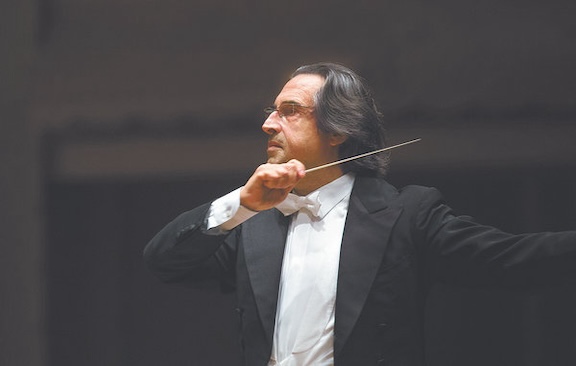
Muti is a devoted advocate and practitioner of music education, and has led similar academies in: Ravenna and Milan, Italy; Tokyo, Japan; and Seoul, South Korea.
In a story published in Chinese media, Muti explains why he chose China this time. There he will work in the city of Suzhou with the Suzhou Symphony Orchestra and with individual applicants from around the world.
“During the past decades, classical music has gained a large fan base in China, with new concert halls and new symphony orchestras appearing in the country,” Muti adds. “There are also many great Chinese musicians performing around the world — pianists, violinists, singers and conductors — who have become like bridges, bringing our countries closer to each other.”
The repertoire he has chosen to work on is the one-act Italian opera “Cavalleria Rusticana” (Rustic Chivalry) by Pietro Mascagni.
It seems a perfect choice to The Ear. It is shorter and easier to stage than most full-length operas. It uses the Roman Catholic Church and religion as well as other aspects of European and Italian society and culture. This includes the famous “Regina Coeli” or Easter Hymn (below):
The opera itself has beautiful parts for the vocal soloists, the chorus and the orchestral instrumentalists — as you can hear above and in the famously melodic Intermezzo (in the YouTube video at the bottom) that was used in the film “The Godfather.”
Here is a link to the full story from the China Daily newspaper:
https://www.chinadaily.com.cn/a/202404/13/WS661a1d39a31082fc043c1c81.html
You might also recall an earlier blog post about the recent successes of Asian classical musicians:
https://welltempered.wordpress.com/?s=Asian+musicians
When it comes to Western classical music in China, it seems that success keeps building on success.
Tags: #BlogPost, #BlogPosting, #FacebookPost, #FacebookPosting, #YouTubevideo, academy, advocate, alto, Android, Apple, applicant, Arts, Asia, asian, audience, Baidu, baritone, base, bass, beautiful, Beijing, Bilibili, blog, Blog post, blog posting, brass, bridge, bridges, Cavalleria Rusticana, Cello, Chicago, Chicago Symphony Orchestra, China, China Daily, Chinese, chivalry, choice, choral music, chorus, Christ, Christian, Christianity, church, city, Classic FM, Classical music, com, composer, Concert, concert hall, conduct, Conducting, conductor, countries, country, culture, December, devoted, duckduckgo, Easter, Easter hymn, Europe, European, Facebook, Facebook post, Facebook posting, famous, fan base, fans, film, Film score, globe, God, Google, Google Alert, Google Alerts, Google Search, icon, iconic, individual, instrumentalists, intermezzo, Italian, Italy, Jacob Stockinger, Japan, Japanese, Jesus, Korea, La Scala, link, Madison, Madison Symphony Orchestra, Maestro, Mascagni, media, melodic, mezzosoprano, Milan, movie, Music, Music director, Music education, music students, Musician, Muti, Newspaper, November, one-act, online, opera, Orchestra, orchestral, organ, OS, part, percussion, perfect, perform, performer, performing, Pianist, Piano, Pietro Mascagni, practitioner, QQ, Ravenna, recent, Regina Coeli, Religion, repertoire, repertory, retired, Retirement, Riccardo Muti, rustic, Rustic Chivalry, Seoul, share, short, singer, singers, society, soloist, soprano, soundtrack, South Korea, stage, story, strings, Student, success, Suzhou, Suzhou Symphony Orchestra, symphony, symphony orchestra, tag, tenor, The Ear, The Godfather, The Well-Tempered Ear, Tieba, TikTok, Tokyo, U.S., United States, University of Wisconsin-Madison School of Music, University of Wisconsin–Madison, US, Viola, Violin, violinist, vocal, vocal music, voice, Website, WeChat, Weibo, Well-Tempered, Western, Wisconsin, woodwinds, workshop, world, YouTube
‘Lord of the Rings’ to become an opera
Leave a Comment
PLEASE HELP THE EAR. IF YOU LIKE A CERTAIN BLOG POST, SPREAD THE WORD. FORWARD A LINK TO IT OR, SHARE IT or TAG IT (not just “Like” it) ON FACEBOOK. Performers can use the extra exposure to draw potential audience members to an event. And you might even attract new readers and subscribers to the blog.
By Jacob Stockinger
Here is something a lot of old — and especially new — opera fans should like.
The globally popular “The Lord of the Rings” — a popular set of epic fantasy books that was turned into a blockbuster movie (below) by Peter Jackson — will become a full-blown opera. Or perhaps, like Wagner’s more famous “Ring of the Nibelung” cycle, several operas.

Just this week, the J.R.R. Tolkien Estate granted permission to the British composer Paul Cofield Godfrey (below) to compose a complete opera based on the best-selling work if fantasy.
https://www.classicfm.com/music-news/lord-of-the-rings-opera-approved-tolkien-estate
Godfrey (below) has already composed some possible excerpts that will likely be used in the opera — and might have helped to persuade the Tolkien Estate to grant him permission. You can hear one — a burial dirge or “Lament for Boromir” — in the YouTube video at the bottom.

Translated into more than 38 languages with sales of more than 150 million copies, the fantasy — which met with mixed critical reaction when it was first published — has been nothing short of a phenomenon. One can justifiably expect guaranteed success of the operatic version.
For more about the history and the plot of “The Lord of the Rings’ see the Wikipedia entry:
https://en.wikipedia.org/wiki/The_Lord_of_the_Rings
Does an opera based on “The Lord of the Rings” interest you?
Do you think it will be successful?
The Ear wants to hear.
Tags: academic, alto, Android, Apple, Arts, Asia, asian, audience, baritone, bass, best-sellebest, best-selling, blockbuster, blog, Book, Boromir, British, British composer, Choir, choral music, Classic FM, Classical music, composer, Concert, copies, copy, critic, dirge, drama, duckduckgo, Earth, England, epiuc, estate, Facebook, famous, fan, fantasy, film, global, globe, Google Alert, Google Alerts, Google Search, grant, Great Britain, guarantee, History, J.R.R.Tolkien, Jacob Stockinger, lament, language, languages, like, link, Lord of the Rings, Madison, mezzosoprano, Microsoft, Microsoft Bing, million, movie, Music, musical drama, new, New Zealand, old, opera, opera-based, Orchestra, OS, Paul Cofield Godfrey, permission, Peter Jackson, Peter Jacobs, phenomenon, plot, popular, publish, published, reviews, Ring cycle, Ring of the Nibelung, sales, scholastic, sell, share, sing, singer, Singing, sold, soprano, success, successul, symphony, tag, Television, tenor, The Ear, The Lord of the Rings, The Tolkien Estate, The Well-Tempered Ear, theater, theatre, translate, TV, UK, United States, universal, vocal music, Wagner, Well-Tempered, Wisconsin, world, worldwide, YouTube
Conductor Edo de Waart retires after 60 years
Leave a Comment
PLEASE HELP THE EAR. IF YOU LIKE A CERTAIN BLOG POST, SPREAD THE WORD. FORWARD A LINK TO IT OR, SHARE IT or TAG IT (not just “Like” it) ON FACEBOOK. Performers can use the extra exposure to draw potential audience members to an event. And you might even attract new readers and subscribers to the blog.
By Jacob Stockinger
World-famous Dutch conductor Edo de Waart (below) announced on Wednesday that he is retiring after a career that has spanned 60 years.

You might recall that de Waart, 82, was the music director of the Milwaukee Symphony Orchestra from 2008 to 2017 and is now a conductor laureate of the MSO.
He lived in Middleton, Wisconsin, a suburb of Madison, while conducting in Milwaukee. He and his sixth wife, Rebecca Dopp, and their two children now live in Maple Bluff, another suburb of Madison.
De Waart is known for championing contemporary music and for an his extensive catalogue of recordings.
The Ear especially loved his early recording of Mozart’s “Gran Partita” wind serenade with the Netherlands Wind Ensemble. You can hear the sublime slow movement — which was used in the film “Amadeus” — in the YouTube video at the bottom.
Here is a press release from his current agent:
https://www.harrisonparrott.com/news/2024-04-09/conductor-edo-de-waart-announces-his-retirement
Here is a link to a biography in Wikipedia that has many details about de Waart and his career:
https://en.wikipedia.org/wiki/Edo_de_Waart
Did you ever hear de Waart conduct?
Did you happen to play music under Edo de Waart?
Do you have a favorite de Waart recording?
What do you think of Edo de Waart as a conductor?
The Ear wants to hear.
Tags: "Amadeus", agent, America, Amsterdam, Android, announce, Apple, Arts, Asia, asian, audience, Australia, Beethoven, Bernstein, biography, blog, career, catalogue, Chamber music, champion, children, choral music, Classical music, Competition, composer, Concert, concerto, contemporary music, daughter, Dutch, Early music, Edo, Edo de Waart, Europe, extensive, Facebook, famous, father, film, global, Google Alert, Google Search, Gran Partita, Holland, Hong Kong, husband, Jacob Stockinger, Johann Sebastian Bach, laureate, Leonard Bernstein, Ludwig van Beethoven, Madison, Madison Symphony Orchestra, Maple Bluff, Middleton, Milwaukee, Milwaukee Symphony Orchestra, Mother, movement, movie, Mozart, Music, Netherlands Wind Ensemble, New Zealand, news, opera, Orchestra, OS, Piano, play, press release, recorded music, recording, retire, Retirement, share, Slow movement, son, sublime, suburb, Sydney, symphony, tag, The Ear, U.S., United States, University of Wisconsin-Madison School of Music, University of Wisconsin–Madison, Violin, vocal music, Wednesday, wife, Wikipedia, win, winner, Wisconsin, world, YouTube
Classical music plus tips for watching Monday’s solar eclipse
2 Comments
PLEASE HELP THE EAR. IF YOU LIKE A CERTAIN BLOG POST, SPREAD THE WORD. FORWARD A LINK TO IT OR, SHARE IT or TAG IT (not just “Like” it) ON FACEBOOK. Performers can use the extra exposure to draw potential audience members to an event. And you might even attract new readers and subscribers to the blog.
By Jacob Stockinger
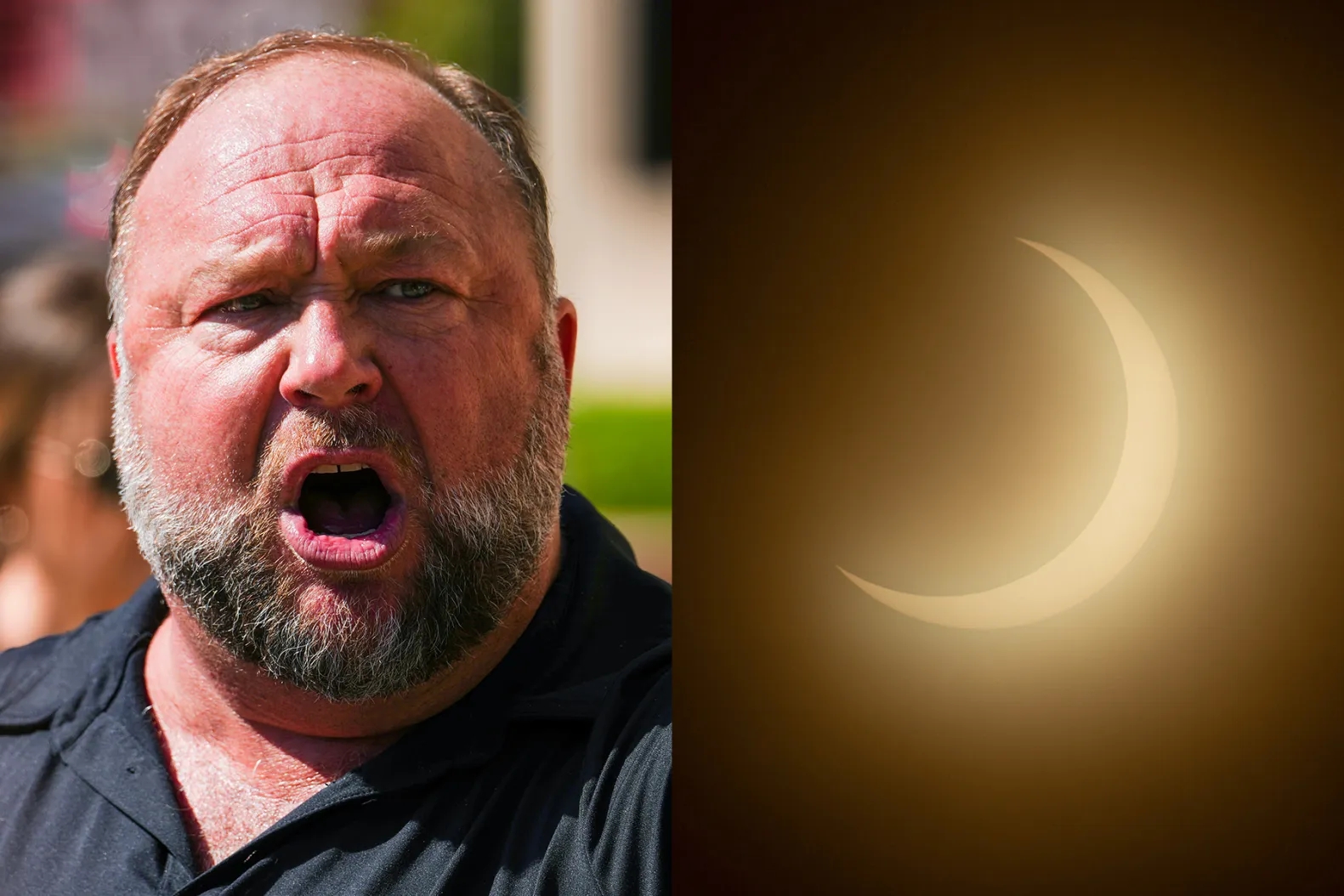
This coming Monday, April 8, will see a rare solar eclipse crossing the United States and visible to varying degrees (below) in different locations. In Madison, it will start at 12:50 p.m. CST, peak at 2:05 and end at 3:20.

It got The Ear to thinking about appropriate classical music to listen to.
But some other information seems more important to convey first:
For last-minute tracking of the eclipse and traveling to see it, here are stories from NPR (National Public Radio) and PBS:
https://www.pbs.org/newshour/science/how-to-watch-the-2024-total-solar-eclipse

And from, MIT (the Massachusetts Institute of Technology), here are tips in the form of a Q&A about how to make the most out of viewing the eclipse:
https://news.mit.edu/2024/qa-brian-mernoff-tips-for-viewing-solar-eclipse-0404
NASA (the National Aeronautics and Space Administration) has some advice about watching the eclipse safely:
https://science.nasa.gov/eclipses/safety
If you want to watch the eclipse in real time from a place where a total eclipse — known as totality — will take place, the PBS NewsHour will live-stream it on YouTube. Here is a link, which also allows you to set up a notification starting at noon on Monday for the real-time broadcast:
A solar eclipse is an event that inspired awe and fear. It caused our pre-historic ancestors to beat the ground with sticks and exchange stories about the wrath of the gods.
These days it leads to even more conspiracy theories by more primitive-minded, far-right conspiracy theorists. Here is an an overview from Rolling Stone magazine of the nonsense that is being promulgated by Alex Jones (below, from Getty Images) and other popular science- and fact-deniers.
The Ear looked for some music to capture the feeling of the eclipse — the mystery and awe when it is happening, and the relief when it is over.
He’s pretty sure that on the radio, internet and elsewhere you will hear excerpts from “The Planets” by Gustav Holst; the “Moonlight” Sonata by Beethoven; maybe Haydn’s “Sunrise” string quartet, “Clair de lune” by Debussy; “Morning Mood” from “Peer Gynt Suite Suite” by Edvard Grieg; “Sunrise” from the “Grand Canyon Suite” by Ferde Grofé; the beautiful sunrise opening of the “Daphnis and Chloe Suite No. 2” by Ravel; and of course the dramatic opening sunrise to “Thus Spake Zarathustra” by Richard Strauss, which was made famous in the movie “2001: A Space Odyssey.”
But The Ear settled on the “Helios Overture” (in the YouTube video at the bottom) by the Danish composer Carl Nielsen. It is a haunting performance by the Royal Concertgebouw Orchestra and the American conductor Alan Gilbert.
Do you have a piece of classical music that you think would be appropriate for watching the eclipse?
The Ear wants to hear.
Tags: #BlogPost, #BlogPosting, #FacebookPost, #FacebookPosting, #YouTubevideo, 2001: A Space Odyssey, 2024, 88.7 FM, 89.9, advice, Alan Gilbert, Alex Jones, AM, America, American, Amsterdam, ancestor, Android, annular eclipse, Apple, appropriate, April, April 8, Arts, astronomy, audience, awe, beautiful, Beethoven, blog, Broadcast, Cello, Central Daylight Time, Chamber music, choral music, Clair de Lune, Classical, Classical music, composer, Concert, Concertgebouw, conservative, conspiracy theory, CST, Danish, Daphnis and Chloe, Debussy, denier, Denmark, different, dramatic, Dutch, Early music, eclipse, Facebook, fact-denier, facts, famous, fear, film, FM, God, gods, Google Alert, Google Search, Grand Canyon, Grieg, Grofe, happen, haunting, Haydn, Helios Overture, idiots, information, Infowars, Internet, Jacob Stockinger, link, live-stream, Ludwig van Beethoven, lunatics, Madison, magazine, Massachusetts Institute of Technology, Microsoft Bing, MIT, Monday, moon, moonlight, Morning Mood, movie, Music, Musica Antiqua, mystery, NASA, National Aeronautics and Space Administration, Netherlands, Nielsen, nonsense, notification, NPR, online, opera, Orchestra, OS, over, Overture, partial, PBS, PBS Newshour, Peer Gynt, peform, performance, Piano, popular, prehistoric, primitive, Radio, rare, Ravel, relief, right-wing, Rolling Stone, royal, Royal Concertgebouw Orchestra, Schubert, science, science-denier, search engine, share, singer, Singing, solar, solar eclipse, Sonata, song, soundtrack, space, stories, story, Strauss, stream, String quartet, Suite, sun, sunrise, symphony, tag, Television, The Ear, The Well-Tempered Ear, Thus Spake Zarathustra, tips, total, totality, TV, U.S., United States, University of Wisconsin-Madison School of Music, University of Wisconsin–Madison, Viola, Violin, vocal music, watch, Well-Tempered, Wisconsin, wisconsin public radio, Wolfgang Amadeus Mozart, WORT, WORT FM, WPR, wrath, YouTube
Klaus Mäkelä, 28, is the new music director of the Chicago Symphony Orchestra
6 Comments
PLEASE HELP THE EAR. IF YOU LIKE A CERTAIN BLOG POST, SPREAD THE WORD. FORWARD A LINK TO IT OR, SHARE IT or TAG IT (not just “Like” it) ON FACEBOOK. Performers can use the extra exposure to draw potential audience members to an event. And you might even attract new readers and subscribers to the blog.
By Jacob Stockinger
It seems to The Ear that another young conducting superstar is in the making.
I’m talking about the 28-year-old Finnish conductor Klaus Mäkelä (below, in a photo by Marco Borggreve), who just yesterday was named the successor to 82-year-old Riccardo Muti as the music director of the Chicago Symphony Orchestra, starting in 2027.

Chances are good that the talented, photogenic and charismatic Mäkelä — ignore the umlauts and “ke” is pronounced kay — who has had a meteoric rise will eventually join the company of Gustavo Dudamel and Yannick Nézet-Séguin as an heir to such celebrated conductors as Leonard Bernstein and Herbert von Karajan, then Claudio Abbado, Michael Tilson Thomas and Marin Alsop.

The Ear would love to post stories from the New York Times, the Washington Post or the Chicago Tribune. But they all hide their online stories behind a paywall.
Here is another story, from ABC-TV in Chicago and the Associated Press, that has all the essentials and some extra background:
In the YouTube video at the bottom, you can see his 2-minute video made specifically to introduce himself on the occasion of his selection to lead the CSO. He talks about what he likes about the world-famous orchestra and why he wanted to accept the permanent position after guest conducting the CSO
And here is an excerpt of Mäkelä conducting the Paris Orchestra in Carnegie aHall last month. His reading of Igor Stravinsky’s “The Firebird” — on an all-Stravinsky program with “The Rite of Spring — raised the neck hair on The Ear.
You can under how the young Finn has developed a reputation for both spontaneous energy and sonic clarity.
What do you think of Klaus Mäkelä becoming the music director of the Chicago Symphony Orchestra?
Have you heard him conduct? What did you think?
Would you go to Chicago to hear him conduct?
Will he become a worthy successor to such Chicago luminaries as Muti, Daniel Barenboim, George Solti and Fritz Reiner?
The Ear wants to hear.
Tags: #BlogPost, #BlogPosting, #FacebookPost, #FacebookPosting, #YouTubevideo, 2024, 2027, ABC-TV, alerts, Amsterdam, AP, Apple, Apple Music, Apple Music Classical, Arts, Asia, asian, Associated Press, audience, background, Beethoven, Bernard Haitink, Bernstein, Bing, blog, Carnegie Hall, celebrated, Cello, charismatic, Chicago, Chicago Symphony Orchestra, China, Chinese, choral music, clarity, Classical music, Claudio Abbado, composer, Concert, Concertgebouw, concerto, Conducting, conductor, CSO, Daniel Barenboim, debut, energy, essential, Europe, European, Facebook, Finland, Finn, Finnish, Fritz Reiner, George Solti, global, globe, Google Alert, guest conductor, Gustavo Dudamel, handsome, hear, Herbert von Karajan, Igor Stravinsky, Jacob Stockinger, Karajan, Klaus Makela, Klaus Mäkalä, Leonard Bernstein, like, link, Ludwig van Beethoven, Marin Alsop, Mäkelä, medici.tv, meteoric, Michael Tilson Thomas, Microsoft, MTT, Music, Music director, Netherlands, New York Times, Norway, online, opera, Orchestra, Orchestre de Paris, OS, Oslo, Paris, Paris Orchestra, performer, photo, photogenic, Piano, program, Riccardo Muti, rise, Rite of Spring, rizz, Safari, Scandinavia, Scandinavian, share, Sonata, spontaneous, story, Stravinsky, successor, superstar, symphony, tag, talented, The Ear, The Firebird, The Well-Tempered Ear, think, United States, University of Wisconsin-Madison School of Music, University of Wisconsin–Madison, Viola, Violin, vocal music, Washington Post, Website, Wisconsin, Wolfgang Amadeus Mozart, world, worldwide, Yannick Nézet-Séguin, you, young, YouTube
Today is World Piano Day — so play, listen, watch, celebrate
1 Comment
PLEASE HELP THE EAR. IF YOU LIKE A CERTAIN BLOG POST, SPREAD THE WORD. FORWARD A LINK TO IT OR, SHARE IT or TAG IT (not just “Like” it) ON FACEBOOK. Performers can use the extra exposure to draw potential audience members to an event. And you might even attract new readers and subscribers to the blog.
By Jacob Stockinger
World Piano Day — established in 2015 — falls on the 88th day of the year because the standard piano keyboard has 88 keys.

Because 2024 is a Leap Year, World Piano Day is being celebrated a day later than usual — on today, March 28.
For more background and past playlists, see:
https://en.wikipedia.org/wiki/Piano_Day
There are lots of free celebrations online, to say nothing of just sitting down at a piano and playing or listening to someone else play or going to your library of CDs and LPs or using your streaming service.
Here is a list of live international events from March 12-April 7, complete with information links, to concerts and other events marking Piano Day around the world.

Some presenters have put together their own special celebrations. DG is offering a 30-day free trial to its Stage+ streaming site to mark the occasion.
Deutsche Grammophon, the world’s oldest classical record company, has a terrific stable of prize-winning, critically acclaimed pianists, includes Maurizio Pollini who died last Saturday, as well as Lang Lang, Yuja Wang, Vikingur Olaffson, Maria Joao Pires, Seong-Jin Cho, Grigory Sokolov, Alice Sara Ott, Daniil Trifonov, Hélène Grimaud and Bruce Liu.
Check it out. Here is a link to DG’s celebration:
You can also find many things to watch and hear — concerts, documentaries — for this year and from past year of YouTube:
https://www.youtube.com/results?search_query=World+Piano+Day
And at the bottom, from World Piano Day 2023, is a YouTube video with 88 minutes of piano music from masters old and current — including Vladimir Horowitz and Arthur Rubinstein — to celebrate World Piano Day:
Will you celebrate World Piano Day?
Do you play the piano or did you take piano lessons?
Do you have a favorite pianist?
Do you have a favorite composer and favorite piece for the piano?
The Ear wants to hear.
Tags: #BlogPost, #BlogPosting, #FacebookPost, #FacebookPosting, #Prize-Winning, #YouTubevideo, 2023, 2024, 88, acclaim, Adfrica, African, Apple, Apple Music, Apple Music Classical, Arrau, Arts, Ashkenazy, asian, audience, Barenboim, Baroque, Beethoven, black, blog, Bruce Liu, CD, celebrate, celebration, Chamber music, China, Chinese, Cho, Chopin, Classical music, Columbia, composer, Concert, concerto, critic, critical, critically acclaimed, day, Decca, Deutsche Grammophon, DG, documentary, Early music, establish, Europe, European'Asia, event, Facebook, favorite, Fujita, Gilels, globe, Google, Google Search, Grigory Sokolov, Grimaud, hear, Helene Grimaud, Horowtz, Hough, Iceland, Icelandic, international, Jacob Stockinger, Japan, Japanese, Johann Sebastian Bach, Keyboard, keys, Kissin, Korean, Lang Lang, Leap Year, Levit, liberty, library, Lim, link, listen, Liu, LP, Ludwig van Beethoven, Madison, Mao, Mao Fujita, Maria Joao Pires, Maurizio Pollini, Mozart, Music, music students, Naxos, ok, Orchestra, OS, Ott, Perahia, Philips, Pianist, Piano, piano lessons, piano music, piece, Pires, play, playlist, Polish, Pollini, popular, RCA, repertoire, repertory, Richter, Rubinstein, Russia, Russian, Schiff, share, Sokolov, Sonata, SONY, Sony Classical, South America, South American, South Korea, South Korean, stage, standard, stream, streaming, streaming service, symphony, tag, The Ear, The Well-Tempered Ear, today, Trifonov, Uchida, United States, universal, University of Wisconsin–Madison, Van Cliburn, Vikingur Olafsson, Wang, Well-Tempered, white, Wikipedia, Wisconsin, Wolfgang Amadeus Mozart, Wong, world, World Piano Day, year, YouTube, Yuja Wang, Yunchan Lim


 The Well-Tempered Ear